Memorial Care
Why Do People Place Stones on Jewish Graves?
Headstone cleaning from £75 — before & after photos with every visit.
No need to attend. Free written quote, usually within 24 hours.
In short: In Jewish tradition, visitors place a small stone on a grave instead of flowers to show they have visited and the person is remembered. Stones endure where flowers fade, making them a quiet, fitting symbol of a memory that lasts — and a gentle sign that someone still comes to call.
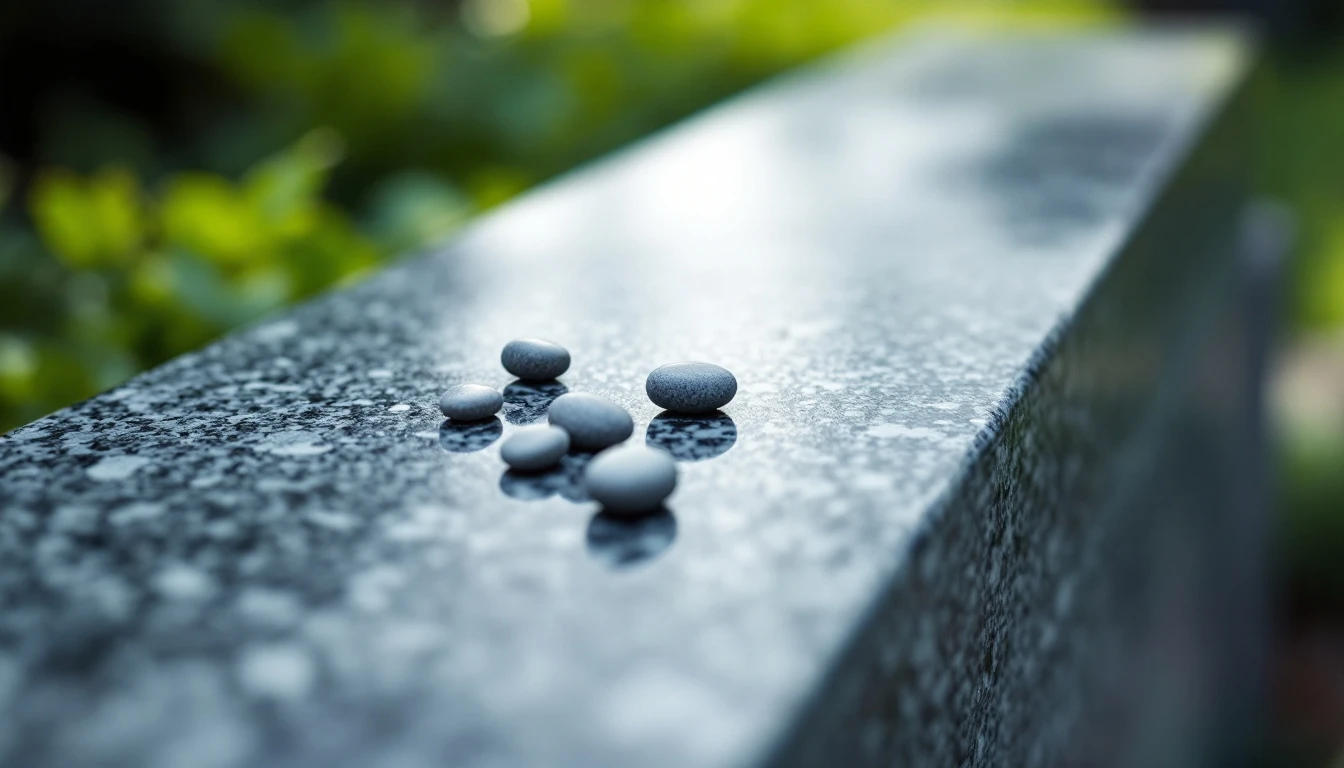
If you have walked through a Jewish cemetery, you will have noticed small stones and pebbles resting on the tops of the headstones. To anyone unfamiliar with the custom it can be a puzzle — why stones, and not the cut flowers you might see elsewhere? It is one of the most recognisable and tender of Jewish mourning customs, and the explanation is both simple and quietly moving.
A sign that someone has visited
At its heart, placing a stone is a way of saying, “I was here, and I remember you.” It is a small, wordless message left on the headstone: this person is not forgotten, and people still come to visit.
For a family, returning to a grave and finding a stone left by another relative or friend can be deeply comforting. It tells them they are not alone in their remembering. Where a card or a note might blow away or dissolve in the rain, a stone simply stays — a steady, visible record that the grave is loved and visited. Over months and years, the small collection of stones that builds up on a headstone becomes a kind of tally of devotion, each one a footstep of someone who came to pay their respects.
Why stones and not flowers?
The most common explanation is one of permanence. Flowers, however beautiful, wither within days. A stone does not. It endures — and so it is felt to be a more fitting symbol of a bond and a memory that endure beyond a lifetime.
There is also a thread of humility in the custom. A stone is plain and unshowy; it asks for no attention and makes no display. Leaving one is a modest act, in keeping with the quiet dignity that Jewish tradition brings to mourning and to honouring the dead. Where elaborate floral tributes can fade and leave the grave looking neglected once they have gone, a stone keeps its quiet promise indefinitely.
It is worth noting that practice varies. Some Jewish families do also bring flowers, and customs differ between communities and individuals. The placing of stones, though, remains the gesture most associated with visiting a Jewish grave.
Where does the custom come from?
There is no single, settled origin for the tradition — instead there are several explanations and traditions that have been passed down, and it is best to treat them as that rather than as established fact.
One common explanation reaches back to the ancient practice of marking and maintaining graves. In times when burials might be in open or remote ground, piling stones helped to mark the spot and to protect and preserve the resting place. Adding a stone, in this telling, became a way of continuing to tend and care for the grave.
Another explanation centres on keeping the soul’s memory present in this world. Leaving something enduring is understood as helping to anchor the memory of the departed among the living, a way of ensuring they continue to have a place in the thoughts of those who loved them.
There are also folk explanations and customs that have grown up around the practice over generations. These vary from community to community and from family to family. What unites them all is the same underlying feeling: a wish to mark a visit, to honour the dead, and to leave behind something lasting.
Is there a right kind of stone or a rule?
For most people, there are no strict rules. Any small stone or pebble found nearby will do, and many visitors simply pick one up on their way to the grave. The act matters far more than the object.
Some people prefer to bring a stone that carries personal meaning — perhaps gathered from a place that mattered to the person who died, or one chosen with care and kept for the visit. Others paint or inscribe a small stone, though a plain pebble is entirely traditional and entirely enough.
The stone is usually placed gently on top of the headstone, or along its upper edge or ledge where it can rest without rolling away. There is no requirement for size, colour or shape. If you are visiting a Jewish grave and wish to take part respectfully, choosing a modest stone and placing it quietly is all that is needed.
Do you remove the stones when you clean?
No. We never remove or disturb the stones left on a Jewish grave. They are meaningful tokens of remembrance, and each one was placed by someone who came to visit — it is not our place to clear them away.
When we carry out grave cleaning, we work carefully around the stones, cleaning the headstone and surround without moving them. The only exception is if a family specifically asks us to relocate or set them aside, in which case we follow their wishes exactly and replace them as they prefer. Our care is always carried out with reverence, and never on Shabbat or Jewish festivals. You can read more about how we approach this in our Jewish memorial care across London.
Frequently asked questions
Can a non-Jewish visitor place a stone on a Jewish grave? Yes. If you are visiting the grave of a Jewish friend, colleague or relative, placing a small stone is a warm and respectful way to show you came and that they are remembered. The gesture is welcomed as a sign of care.
Should I remove an old stone before adding mine? No. Each stone represents a separate visit, so it is customary to add your own and leave the others in place. The growing collection is part of the meaning.
If you would like to learn about the wider ceremony of unveiling a headstone, our guide to the Jewish stone-setting explains that tradition in more detail.
Caring for a loved one’s grave is one of the gentlest ways to keep their memory close. If you would like respectful, attentive care for a Jewish grave anywhere across London’s 32 boroughs and the M25 — always carried out with reverence and never on Shabbat or festivals — please contact Memorial Guardian London. We would be honoured to help.
Headstone cleaning from £75 — before & after photos with every visit.
No need to attend. Free written quote, usually within 24 hours.
About the author
Dom Deacon
Memorial Care Specialist, Memorial Guardian London
Dom Deacon has worked in memorial care and grave cleaning for more than 10 years, and oversees cleaning and conservation for Memorial Guardian London, caring for graves and headstones across all 32 London boroughs. He works to conservation-minded standards — water and stone-safe methods only, never bleach, acid or pressure washers.